The Psychology of Gambling
The allure of casino games is often rooted in complex psychological mechanisms that tap into fundamental human desires and instincts. Players are frequently drawn to the thrill of risk and the potential for reward, which can trigger a rush of excitement akin to other forms of pleasure. This response is tightly linked to the brain’s reward system, where the anticipation of winning releases feel-good hormones such as dopamine. Many enthusiasts believe that trying out the best online casino can enhance their chances of winning big, and when players experience these positive feelings, they become more inclined to continue playing to recapture that high, establishing a cycle of behavior that can develop into addiction.
One critical aspect of this psychological allure is the concept of variable reinforcement. Unlike traditional games that may offer consistent outcomes based on skill, many casino games rely on chance, delivering unpredictable rewards. This unpredictability can create a compelling urge to keep playing, as players may believe that a win is just around the corner. This phenomenon, often referred to as the “gamblers’ fallacy,” encourages individuals to play longer, convinced that they are due for a win, which further entrench their gambling habits.
Moreover, the environment in which gambling occurs plays a significant role in its addictive qualities. The bright lights, sounds of coins, and celebratory atmosphere are carefully designed to maximize sensory stimulation and keep players engaged. This immersive experience can lead individuals to lose track of time and money spent, further escalating their chances of developing an addiction. The combination of psychological triggers and sensory overload ensures that players are not just engaging with the game but are emotionally invested in an experience that can be hard to resist.
The Role of Social Factors
Social dynamics also contribute significantly to the addictive nature of casino games. Gambling is often portrayed in a communal aspect, where interactions with other players and the broader environment enhance the experience. This social engagement can create a sense of belonging, making individuals more likely to return for both the game and the social interaction. For many, the casino serves as a venue for social gatherings, and the shared experiences can further addict players as they associate their time there with enjoyment and camaraderie.
Moreover, peer influence can amplify the desire to gamble. Research shows that individuals are more likely to engage in gambling behaviors if their friends or social circles actively participate. This phenomenon can create a snowball effect, wherein new players are introduced to the gambling world through existing players, often leading to increased participation and a heightened risk of addiction for newcomers. The sense of competition, encouragement, or even challenge among friends can drive individuals to play more frequently, further entrenching them into habits that may be difficult to break.
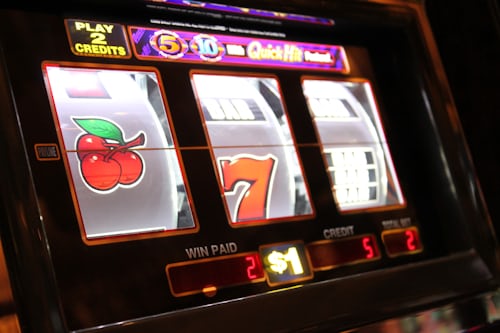
Cultural attitudes towards gambling also shape how individuals perceive and engage with casino games. In cultures where gambling is normalized or glamorized, the likelihood of addiction can increase. The media often romanticizes gambling, portraying it as a path to wealth or an exciting lifestyle. This creates unrealistic expectations for players, who may then believe that luck is always around the corner, which can contribute to compulsive behavior. The combination of social influences and cultural narratives creates a compelling environment that fosters addiction.
The Impact of Technology
Advancements in technology have transformed the way people engage with casino games, making them more accessible than ever. The proliferation of online casinos and mobile gaming applications allows individuals to gamble from virtually anywhere at any time. This convenience removes barriers to access and enables players to indulge in their habits without the need to visit a physical location. The immediacy of online gaming can exacerbate addictive behaviors, as players can easily fall into a continuous cycle of play without pause.
Additionally, technology has introduced innovative features that enhance the gaming experience and increase engagement. The use of gamification in online casinos—elements such as leaderboards, achievements, rewards systems, and interactive graphics—creates a compelling environment that hooks players. These features draw individuals in, encouraging them to play longer and spend more. The instant feedback loop provided by digital platforms can also amplify feelings of success or failure, which may further entrench players in their habits.
Social media integrations have also changed the landscape of gambling, allowing players to share their experiences and wins online. This public aspect can create a sense of validation and competition among peers, pushing individuals to gamble more. As they seek to showcase their victories or compare themselves to others, their engagement with gaming increases, potentially leading to addictive patterns. The synergy of advanced technology and social media amplifies the risks associated with casino games, making it essential to approach gambling with caution.
The Economic Factors at Play
Evidently, financial incentives are central to the allure of casino games. The potential for substantial monetary gains can be a powerful motivator for players, enticing them to risk their money for the chance at a larger payout. This promise of wealth makes gambling an enticing proposition; players often rationalize their spending with dreams of hitting the jackpot. The economic element creates a cycle of investment where the more players engage, the more they might feel compelled to continue in hopes of recouping losses or achieving financial freedom.

The design of casino games—often featuring low odds of winning big—sets the stage for ongoing player investment. Many games are engineered in a way that keeps players engaged while subtly leading them to spend more than they anticipated. The realization that losses are common can add pressure, causing players to feel they need to gamble more to recover what they’ve lost. This financial rationale can quickly spiral into addiction, as players chase losses rather than viewing gambling as entertainment.
Additionally, promotions, bonuses, and loyalty programs offered by casinos can exacerbate the situation. These incentives can create an illusion of value, encouraging players to gamble more frequently or spend larger amounts. The excitement surrounding these offers can cloud judgment, making it difficult for individuals to recognize when their behavior shifts from recreational to problematic. The intersection of economic motivations and strategic casino marketing plays a fundamental role in the addictive nature of gambling.
Understanding Responsible Gambling and Resources
As awareness of gambling addiction grows, it’s pivotal to understand the importance of responsible gambling practices. Effective measures include setting limits on time and money spent, recognizing the signs of addiction early, and seeking help if needed. Resources are available for individuals who feel their gambling habits are becoming problematic. Organizations provide support, counseling, and strategies to help individuals regain control over their gambling behaviors. Each person’s journey with gambling is unique, and recognizing the need for help is a crucial first step toward recovery.
Furthermore, many casinos now promote responsible gambling initiatives, encouraging players to take breaks and understand the risks associated with their activities. These programs aim to foster a safer gaming environment where players can enjoy the thrill of casino games without falling into harmful patterns. This commitment to player well-being reflects an understanding of the balance needed between entertainment and potential addiction, prioritizing the health of individuals while maintaining a fun atmosphere.
It is essential for individuals to take away key lessons from engaging with casino games. Understanding personal triggers, setting clear boundaries, and prioritizing well-being can help create a healthier relationship with gambling. By recognizing the signs of addiction and taking proactive steps, players can enjoy casino games as a form of entertainment rather than allowing them to control their lives. Emphasizing education and resources can empower individuals to gamble responsibly.